
The Proof: Research & Insights
The time I recognized that no one else in the industry was producing technology-focused market research, so I created an annual thought leadership piece based on first-party data that was compelling enough to drive web traffic.
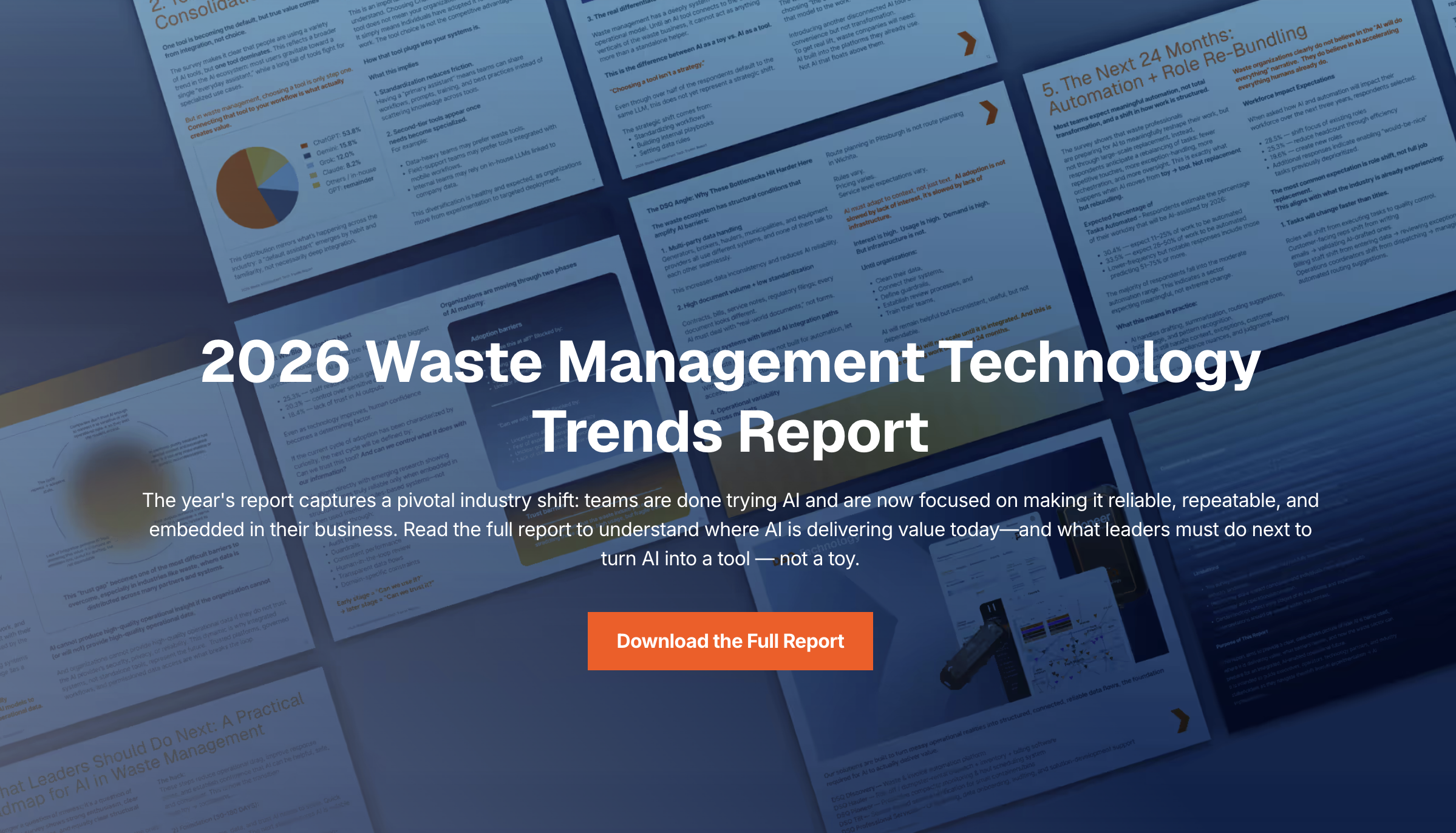
The One When I Made Research a Growth Strategy
The problem: There was no reason to visit the company website unless you were already shopping for the products. Snooze.
The remedy: Create an industry report interesting enough to attract the target market, establish authority, and make people stick around long enough to accidentally learn about the company.
The result: Built one of the five most visited pages on the website and created a repeatable thought leadership asset that continued driving traffic year after year.
The details:
The company had a pretty common B2B problem: the website functioned almost entirely as a product catalog. If someone wasn’t actively searching for a solution, there was very little reason for them to hang out and interact with the brand.
The problem with that strategy, of course, is that waiting around for people to need you is not particularly aggressive marketing. After all, we know 95% of the target market is not actively looking to buy. We needed a way to keep us top-of-mind when they were ready.
With no campaign budget available, I needed to create demand another way. Inspired by annual industry trend reports from larger tech companies, I saw an opportunity to position the company less like another waste industry vendor and more like a technology leader actively shaping conversations about the future of the space.
So I built the Waste Management Technology Trends Report.
I developed a 30-question industry survey and distributed it to the company’s email audience, collecting first-party data directly from professionals across the industry about how they were adopting technology and what changes they anticipated in the years ahead.
Using the findings, a 20-page thought leadership report was created that delivered both industry insights and strategic recommendations, giving prospects a real reason to engage with the company other than perusing the tech suite.
The report quickly became one of the website’s highest-performing assets, growing into the fifth most visited page across the entire site, trailing only product landing pages that received year-round promotion despite the report only being actively promoted for a short campaign window.
To extend its lifespan, I repurposed the research into additional content, including podcast episodes centered around the report findings and broader conversations about technology innovation within the industry.
A repeatable process that delivers first-party data that becomes an industry talking point every year? Yes please.